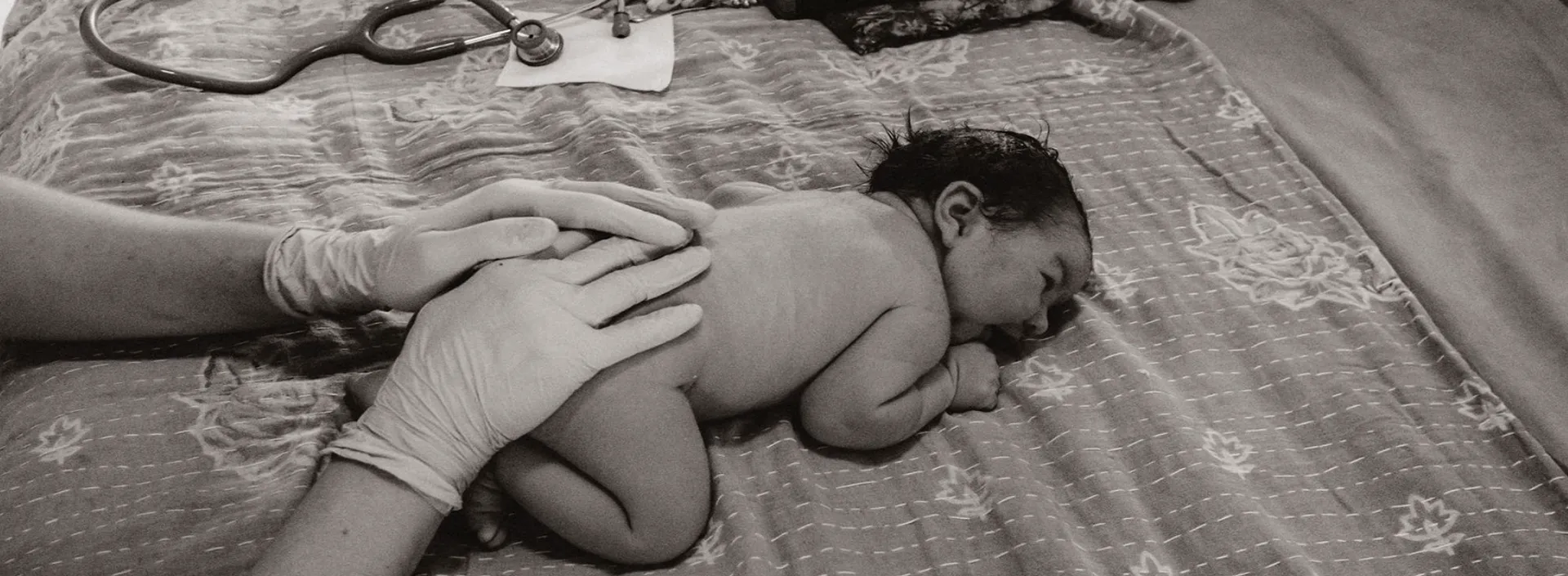
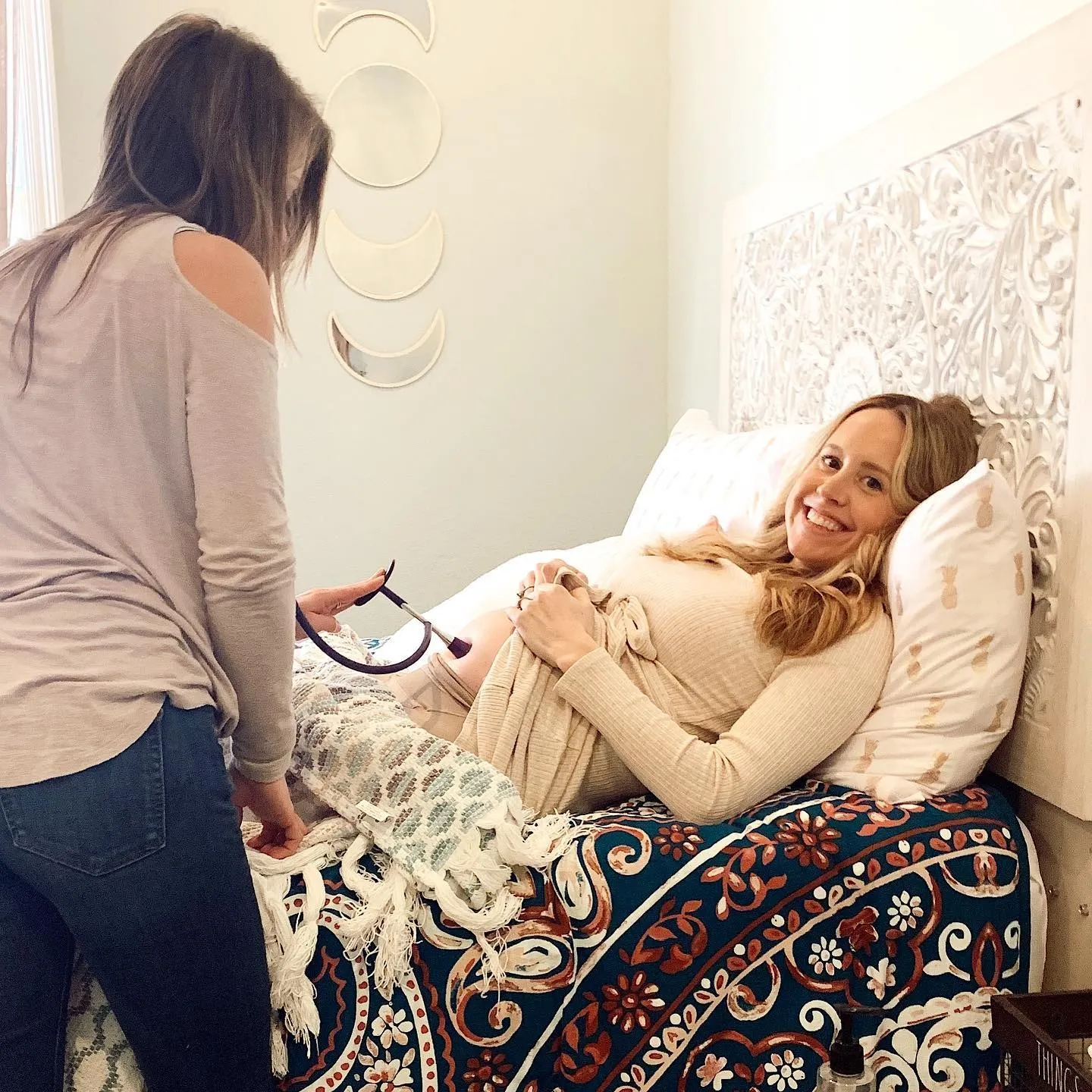
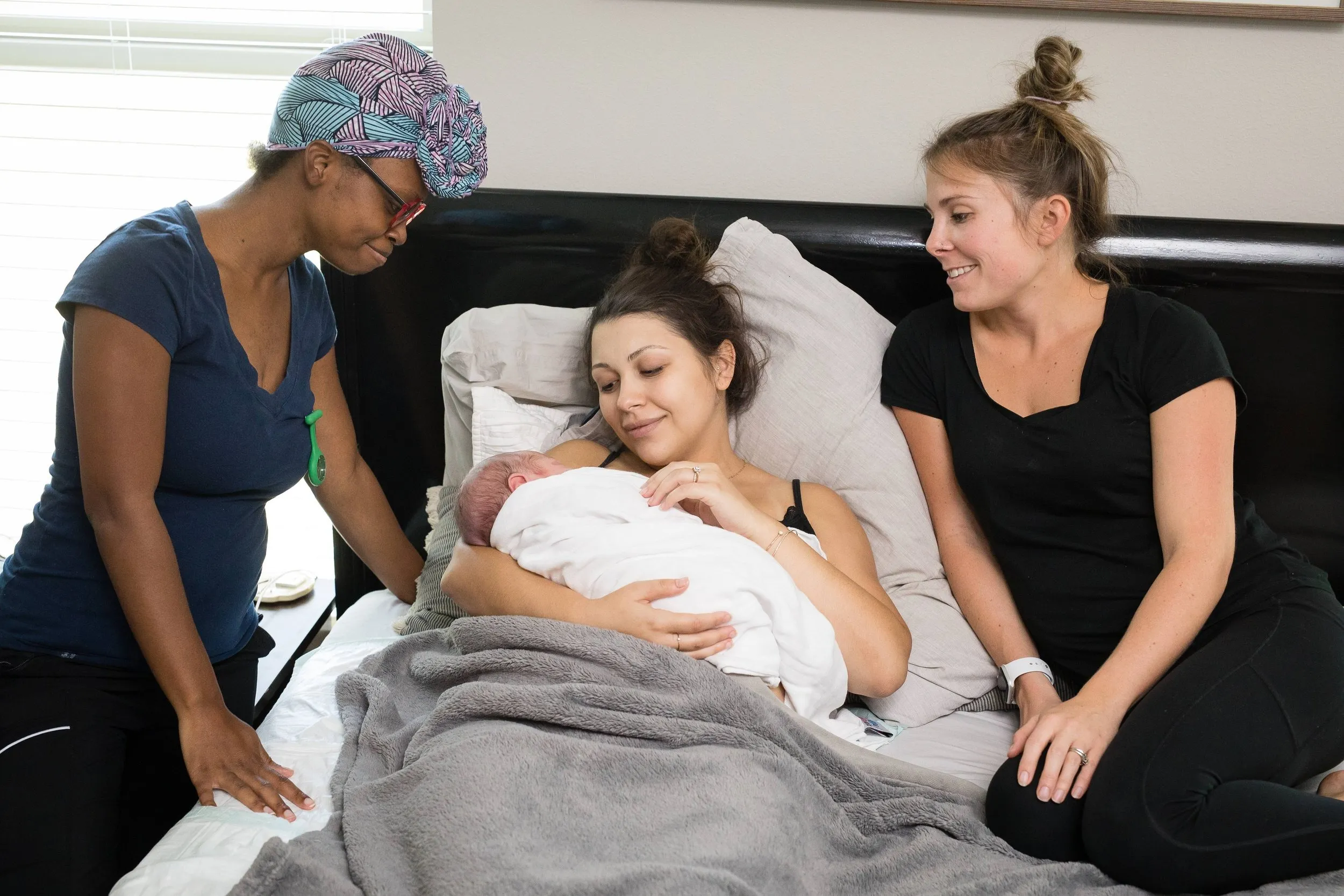
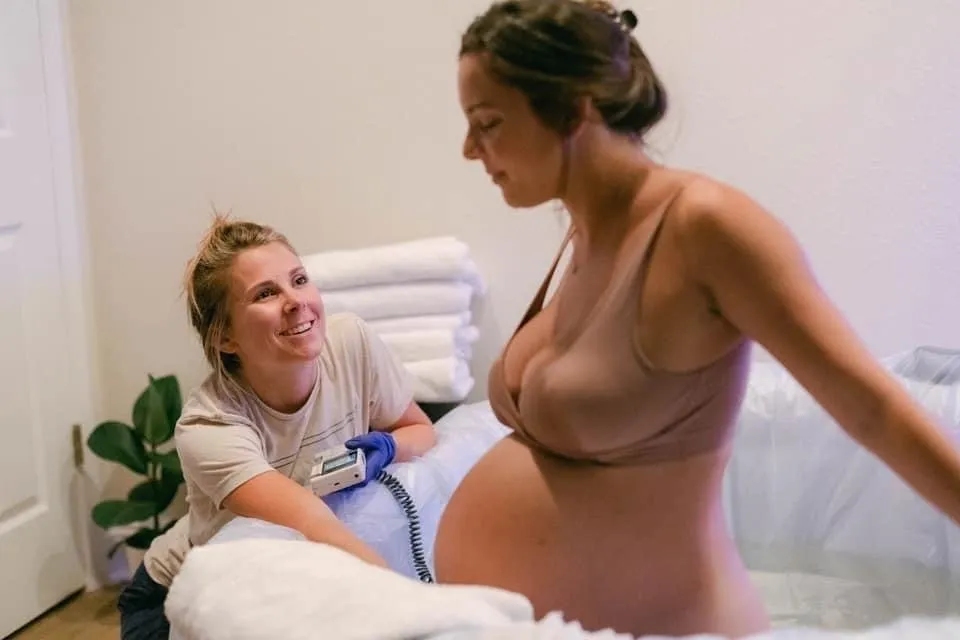
Choosing a home birth with a Certified Professional Midwife (CPM) offers a safe, personalized, and empowering experience. CPMs provide individualized care, continuous support, and attentive presence, allowing families to birth in the comfort and familiarity of their own home — free from unnecessary interventions and rushed decision making.
Research shows that planned home births for low-risk pregnancies are safe under the care of skilled midwives. The practice blends time-honored natural approaches with modern medical knowledge and essential tools to ensure both safety and peace of mind.
Services include comprehensive prenatal care, unhurried birth support, and gentle postpartum follow-up, with a goal of helping clients feel seen, supported, and confident every step of the way.
Book Now


We bring all necessary supplies to your home. We leave your home how we found it (if not better) and depart with a new family tucked into bed.
Birth is sacred, powerful, and deeply personal. My role is to protect your space, support your instincts, and walk beside you as you bring new life into the world calmly, safely, and with intention.
Midwifery care centers the whole person, supporting birth as a normal life event while staying attentive to changing needs with skilled, individualized care.
The application of this model of care has been proven to reduce the incidence of birth injury, trauma, and cesarean section.
Monitoring the physical, psychological, and social well-being of the birther and baby
Providing the birther with individualized education, counseling, and continuous hands-on assistance during labor and delivery
Minimizing technological interventions
Identifying and referring women who require obstetrical attention when needed
"The first intervention in birth is leaving your own front door."
— Michel Odent
Midwife-led care and home birth have much lower costs overall compared to hospital birth, as well as increased client satisfaction, and clearly proven healthy outcomes for mothers and their babies. However, out-of-hospital births represent only a tiny fraction of all births in the U.S., and the American health insurance system is not set up to recognize and reimburse this model of care appropriately.
Hospital birth and physician-led care are well integrated into the insurance system, but despite that fact, families are often surprised by large, unanticipated medical bills after their care is complete. There is little to no transparency about expected out-of-pocket costs before care is received. It is not uncommon for a family's out-of-pocket cost for hospital birth — after insurance — to equal or exceed the average cost of midwife care and home birth.
In the private midwifery model, families are asked to pay the fee over the course of pregnancy, but the fee is fixed and costs are known ahead of time. This allows for planning and budgeting, and avoids the shock of unexpected bills after the fact. The cost of midwife care can sound high at first glance, but in truth it delivers far greater value in time spent and scope of support than the standard offered in hospitals today.
Yes! We offer custom payment plans that vary based on when clients enter care, their due date, and deposit.
At this time, licensed certified professional midwives are out-of-network providers for most insurance plans. We offer a complimentary verification of benefits (VOB) to check eligibility, as covered items are always changing. If a reimbursement is paid after delivery, you will receive those funds less 10% to cover the cost of the biller.
YES! Christian cost-share plans usually pay 100% of our care plan. We create a detailed invoice that is used for payment of care from your costshare plan.
"We have the births we need to have to teach us what we need to know about ourselves, to take us to the next place on our life journey, our journey to wholeness."
— Jane Hardwicke Collings
In the state of Louisiana, midwives carry a license from the state board of medical examiners. This allows midwives to carry and administer medication, process birth certificates, and more. It also means there are rules and regulations that must be followed — including required testing, risk assessments, and procedures for care.
In the state of Mississippi, the CPM credential is recognized and there is not currently any regulation in effect.